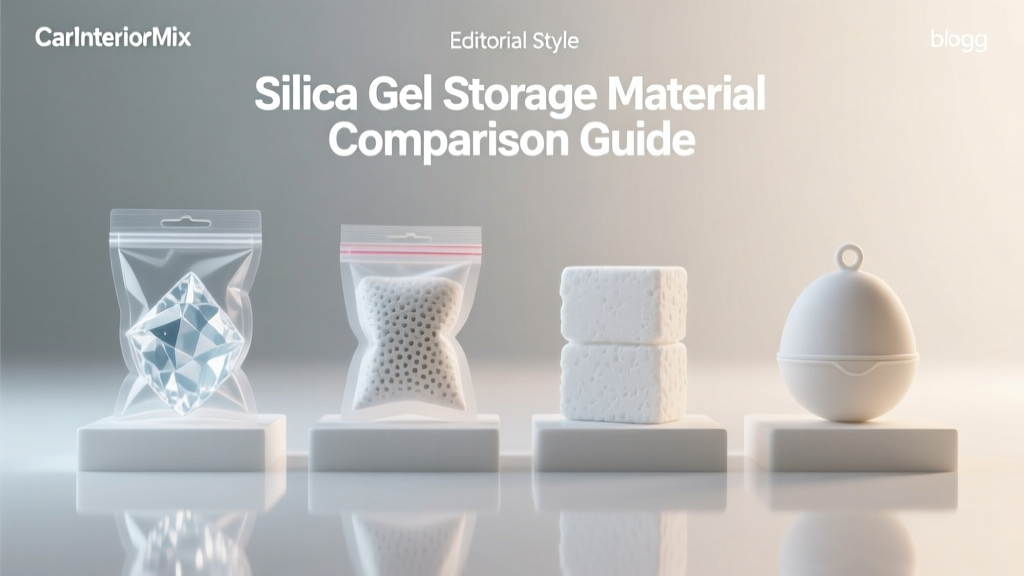
Silica Gel Storage: Best Materials Compared (2026)
Moisture is one of the quietest threats to a clean, comfortable car interior. It sneaks in through wet shoes, rainy commutes, humid summers, leaky door seals, spilled drinks, and even everyday breathing inside a closed cabin. The result can be foggy windows, musty odors, damp carpets, mold on seat foam, corrosion on electronics, and that ?old car smell? you can?t quite shampoo away.
Silica gel is a simple tool that helps car owners fight back. You?ve seen those little ?Do Not Eat? packets in shoe boxes?same idea, but there are far better options for automotive use than random sachets. The challenge is picking the right storage material and format: packets vs. canisters vs. hanging bags, reusable vs. disposable, and which type of silica actually performs best in a car that bakes in the sun and freezes overnight.
This guide breaks down silica gel storage materials and formats specifically for car interiors. You?ll learn what to buy, where to place it, how much you need, how to recharge it, and what mistakes to avoid so you don?t just mask moisture?you manage it.
Why Silica Gel Matters in a Car Interior
Silica gel is a desiccant: it adsorbs water vapor from the air (water molecules cling to its surface). In a car, that can mean:
- Less window fogging in cool mornings or rainy weeks
- Reduced musty smells from damp floor mats and seat fabric
- Lower mold/mildew risk in carpets, headliners, and trunk liners
- Extra protection for interior electronics and stored items (camera gear, tools, emergency kits)
Silica gel isn?t a cure for active leaks or soaked carpet padding, but it?s excellent for controlling normal humidity swings and preventing moisture from becoming a bigger problem.
Silica Gel Basics: Types You?ll See (and What They Mean)
Regular (Non-Indicating) Silica Gel
This is the most common silica gel. It?s usually clear/white beads and has no color change feature.
- Pros: widely available, typically lower cost
- Cons: no visual indicator for saturation unless paired with a humidity meter or you track recharge intervals
Indicating Silica Gel (Color-Changing)
Indicating silica gel changes color as it absorbs moisture (common colors: orange-to-green or blue-to-pink depending on formulation).
- Pros: easy to tell when it?s time to recharge/replace
- Cons: usually more expensive; some older blue indicating types use chemicals many people prefer to avoid?look for modern, safer orange indicating versions
Desiccant Alternatives You?ll See Marketed for Cars
Some products marketed as ?moisture absorbers? use calcium chloride (often in tubs). These can work in stationary spaces but aren?t ideal for vehicles because they can create salty liquid brine if tipped.
- Best practice for cars: stick with silica gel or other dry, non-spill desiccants designed for mobile use
Storage Material Comparison: What Holds the Silica Matters
In a car, the container or ?storage material? matters as much as the beads themselves. Heat cycles, vibration, and the need for quick recharging all influence which format performs best.
1) Paper Packets (Tyvek-style sachets)
These are the classic small packets. They?re usually packed with a few grams of silica.
- Best for: glovebox storage, camera bags, small center console compartments, sealed storage boxes
- Pros: cheap, easy to tuck anywhere
- Cons: low capacity per packet; can tear; hard to recharge; can get lost under seats
Real-world example: Tossing 2?4 packets into a zippered document pouch helps keep registration papers and spare fuses dry in humid regions.
2) Nonwoven Fabric Bags (Reusable ?dehumidifier bags?)
These are larger fabric pouches, often 200?1000g, sometimes marketed for closets, boats, or RVs.
- Best for: daily driver interiors, trunks, seasonal storage
- Pros: good airflow, decent durability, easy to place under seats or in trunk corners
- Cons: can shed beads if seams fail; needs a way to indicate saturation (or choose indicating beads)
Tip: Choose bags with double stitching and a strong zipper/closure if you?ll move them often.
3) Mesh Bags
Mesh increases airflow, which can improve adsorption speed. But the trade-off is containment.
- Best for: areas where the bag won?t be crushed or dragged (trunk side pocket, cargo organizer)
- Pros: fast moisture exchange
- Cons: higher risk of bead escape; not ideal under seats where rails can snag it
4) Rigid Ventilated Canisters (Plastic or Metal)
These are hard-shell containers with vent slots and silica inside?often rechargeable. Some have a built-in indicator window.
- Best for: trunks, hatch areas, toolboxes, vehicles that see lots of movement
- Pros: durable, less mess, easy handling, often designed for repeated recharging
- Cons: takes up more space; airflow can be slower if venting is limited
Real-world example: A rigid canister in a trunk organizer helps prevent that damp, ?closed cargo area? smell after hauling wet sports gear.
5) Hanging Desiccant Packs (Headrest/handle hangers)
Hanging packs keep silica elevated and away from wet floor mats.
- Best for: vehicles with recurring window fog, small cabins, or cars parked for weeks
- Pros: good air exposure, easy to monitor and remove
- Cons: can swing and scuff trim if not secured; not ideal if it blocks vision or distracts the driver
Which Format Should You Choose? Quick Match Guide
- Daily driver in a humid climate: 1?2 reusable fabric bags (500?1000g total) plus a small packet in glovebox
- Car stored for winter or long trips: larger total capacity (1000?2000g), ideally indicating, placed in cabin and trunk
- Track car or weekend car with minimal interior: rigid canister in trunk + small packets in any sealed compartments
- Wet gear hauler (kids sports, camping, surf): rigid canister near gear + a second bag under rear seat
Step-by-Step: How to Use Silica Gel in Your Car (Correctly)
Step 1: Remove the Moisture Source First
Silica gel works best when it?s preventing humidity buildup, not battling active water saturation.
- Shake out and dry floor mats
- Check for pooled water in footwells or spare tire well
- Fix obvious leaks (door seals, sunroof drains, windshield seals)
Step 2: Choose Your Capacity Based on the Problem
Use these practical starting points:
- Mild fogging/musty smell: 300?600g total silica
- Persistent humidity in rainy season: 600?1200g total
- Long-term storage (weeks/months): 1000?2000g total
Tip: Larger capacity doesn?t hurt?just make sure it?s secured and doesn?t interfere with pedals, seat tracks, or airbags.
Step 3: Place Silica Where Air Moves
Good placement matters more than people think. Silica needs air contact.
- Best cabin spots: under the front seats (away from rails), rear footwell corners, center console (small packs)
- Best trunk spots: trunk side pocket, cargo organizer, near spare tire area (if dry and accessible)
- Avoid: directly on wet carpet, against HVAC vents blasting hot air, or anywhere it can tumble into pedals
Step 4: Monitor and Recharge/Replace
How often depends on weather and use. A good routine:
- Check indicating beads weekly at first (until you learn your car?s pattern)
- If non-indicating, set a recharge schedule (every 2?4 weeks in humid months is common)
- After a soaking event (spilled drink, wet carpet), expect faster saturation
Step 5: Recharge Safely (If Reusable)
Many reusable silica gel products can be recharged by heating to drive off moisture. Follow your product?s label first. General guidance:
- Oven method (common): low heat, usually around 200?250�F (93?121�C) for 1?3 hours depending on size
- Microwave method (some products): only if the manufacturer explicitly allows it and the container has no metal
- Safety tips: use a tray, keep it away from food, and allow it to cool fully before returning to the car
Product Comparison: What to Look For When Buying
Rather than chasing the ?best? brand, focus on build quality and fit for your usage.
Key Features Worth Paying For
- Indicating beads (orange indicating is a popular modern option) so you know when it?s saturated
- Strong seams and durable fabric to prevent bead leaks under seat movement
- Rigid housing if you want a no-mess trunk solution
- Reusability if you live in a humid region?recharging saves money long-term
Suggested Setups (Practical Recommendations)
- Best all-around for most cars: 2 x 500g reusable fabric bags (one under a front seat, one in trunk)
- Best for clean/organized trunks: 1 rigid ventilated canister (plus a small glovebox packet)
- Best for long-term storage: 1?2 large indicating bags (1000g each) placed in cabin and trunk, checked monthly
Common Mistakes to Avoid
- Using tiny packets and expecting big results: A couple of 5g packets won?t fix a humid cabin. Scale capacity to the space.
- Ignoring leaks: If your spare tire well is wet, silica will saturate endlessly. Fix drainage and seals first.
- Placing silica directly on damp carpet: It can become overwhelmed and doesn?t dry padding effectively. Use airflow and remove the source moisture.
- Letting bags get crushed under seat rails: This can tear the material and spill beads. Secure the bag or place it where it won?t be pinched.
- Recharging incorrectly: Too much heat can damage containers or melt plastic housings. Follow the product?s instructions.
- Relying on silica gel alone for severe wet interiors: After flooding or major spills, use fans, wet/dry extraction, and possibly professional detailing.
Practical Tips for Better Results
- Pair silica gel with airflow: On dry days, crack windows slightly in a safe location or run the HVAC with A/C to dehumidify.
- Use rubber floor mats in rainy seasons: They reduce how much water reaches carpet and padding.
- Keep a small humidity gauge in the cabin: A cheap digital hygrometer helps you see trends and verify the silica is working.
- Don?t forget the trunk: Hatchbacks and SUVs often trap humidity in cargo areas, especially with stored gear.
- After a wet weekend: Remove mats, hang them to dry, and place a larger silica bag near the problem area for 24?72 hours.
FAQ: Silica Gel for Car Interior Moisture Control
How long does silica gel last in a car?
It depends on humidity, temperature swings, and how much you?re using. In humid conditions, a reusable bag may need recharging every 2?4 weeks. In dry climates, it can last much longer. Indicating silica gel makes timing obvious.
Can silica gel stop my windows from fogging?
It can reduce fogging by lowering cabin humidity, especially overnight. If fogging is severe, also check for wet carpets, clogged cabin air filter, or a heater core leak, and use A/C to dehumidify when driving.
Is silica gel safe to keep in the cabin?
Generally yes when contained in intact bags or canisters and kept away from children and pets. Avoid torn packets and keep it away from areas where beads could spill into seat tracks or vents.
Where?s the best place to put a silica gel bag in a car?
Under a front seat (not touching rails) is a great all-around spot because air circulates there and it?s out of sight. For persistent cargo humidity, place another unit in the trunk near stored items.
Should I use calcium chloride ?moisture tubs? instead?
They can work in stationary spaces, but in vehicles they?re risky because they can tip and spill brine, which can stain carpet and corrode metal. Silica gel is the safer choice for mobile environments.
What if my car smells musty even with silica gel?
Silica helps prevent and reduce humidity, but odors can remain if mold has already grown in padding or HVAC ducts. Clean and dry the interior thoroughly, replace a damp cabin air filter, and consider an HVAC evaporator cleaner if the smell is strongest with the fan on.
Conclusion: A Simple Moisture Plan That Works
For most car owners, the best silica gel strategy is straightforward: fix obvious water entry, use enough capacity, place it where air moves, and recharge on a schedule. A pair of reusable silica gel bags?one in the cabin and one in the trunk?covers the majority of real-world moisture problems and helps protect everything from upholstery to electronics.
Your next steps:
- Check your car for damp mats, wet carpet edges, and trunk moisture
- Choose a silica gel format that matches your needs (fabric bags for flexibility, rigid canisters for durability)
- Start with 600?1200g total for typical humid conditions and adjust from there
- Track performance for a month and refine placement and recharge timing
Want more no-nonsense interior care guides? Explore the latest tips and comparisons at carinteriormix.com.